Article written in 2020, in the first months of the COVID-19 pandemic.
A year and a half ago, this blog published an article discussing the advantages and disadvantages of what was called, in America in the 1980s, where the phenomenon emerged, "teleworking": working remotely via electronic means of communication. The article mentioned that the phenomenon was in slight but constant growth (in Romania, at that time, an employee worked remotely about 4 days per month) and concluded that "teleworking" could become the way of working in the 21st century.
No one thought that this possibility would suddenly become our daily reality with the outbreak of the COVID-19 pandemic in March 2020. After the general quarantine, we had gone through an intense digitalization of work , which seemed to be maintained. It was, perhaps, the time to ask ourselves: how is remote work, suddenly and almost completely established in our lives, changing us? Who are we now, in the new conditions of professional activity? What does this “new normal” transform us into?
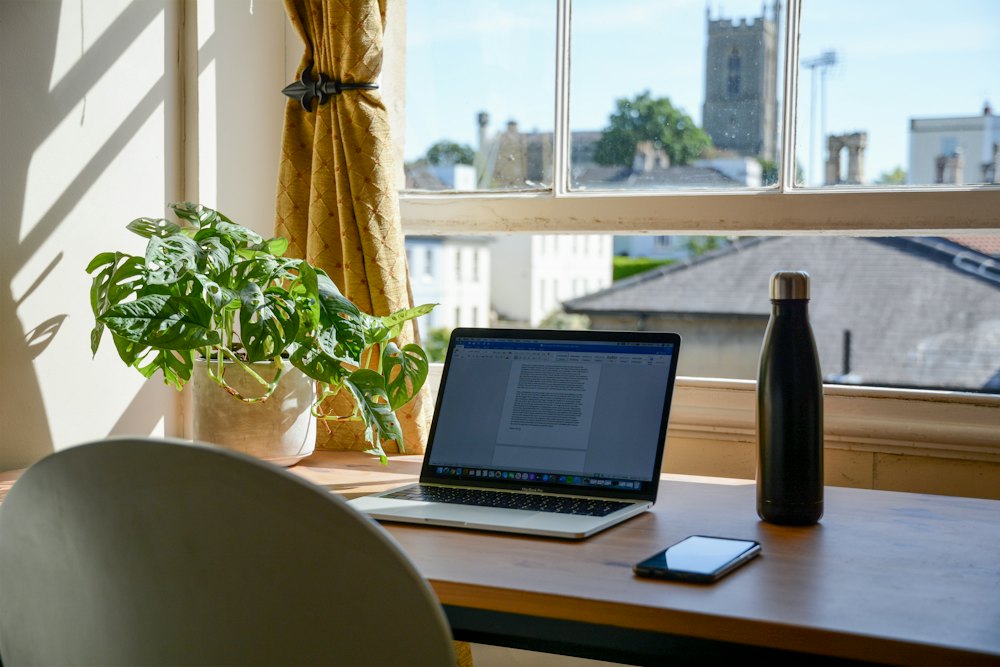
A review of the most visible consequences of the digitalization of our work can start from the idea that we no longer depend on an office . In the pre-pandemic mentality, the office was by definition the place where work was done. Detaching from it generates, according to an analysis in the newspaper Bursa , “concerns about productivity and motivation.” It means that we are no longer dependent on a fixed place and a fixed schedule to work, but also that we lose immediate and permanent access to colleagues and managers, who are an important professional resource. Here are the 4 most visible effects.
We no longer start and finish our work schedule at a certain time. Maybe this week we don't work at all on Tuesday and decide, instead, to finish our work on Friday evening or Saturday. In other words, we focus on the task at hand, rather than on "clocking in". We no longer have fixed office routines ("morning coffee" with colleagues), so the time dedicated to actual work is optimized. And in the absence of standardized office procedures, which often risk giving us a rigid mentality, we have the opportunity to become more creative: if we don't have the office software, we find alternative solutions; if we can no longer meet on Zoom because a colleague can't access it, we try other available tools: Google Meet, Microsoft Teams, WebRoom, etc.
2. We gain more precision in communication
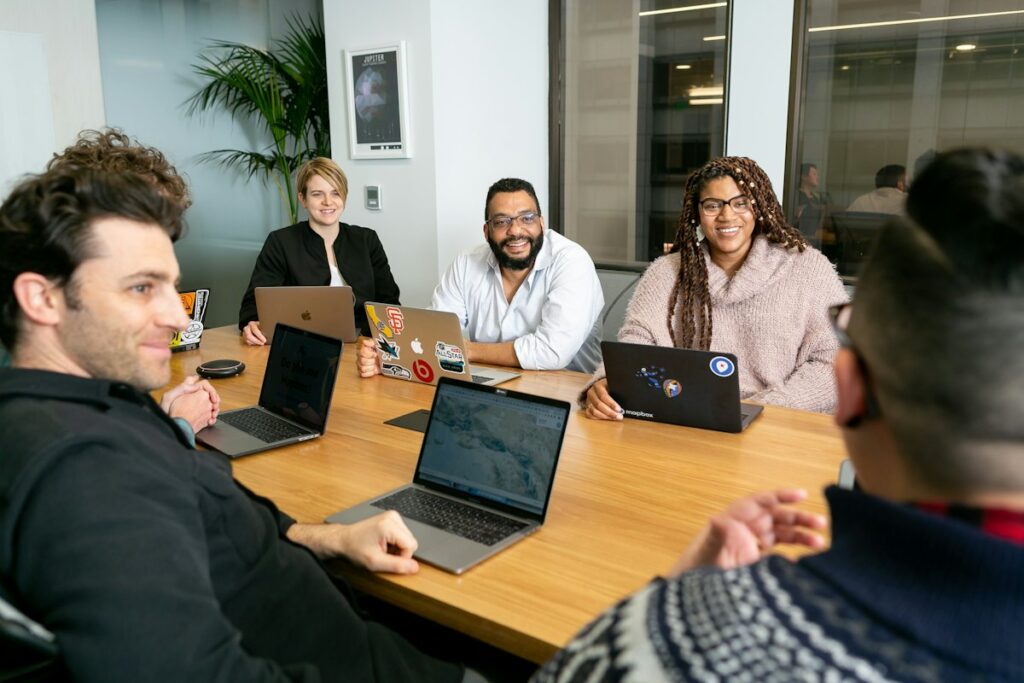
We are no longer surrounded by colleagues with whom we can talk at any time, from one office to another. Communication is carried out to a greater extent in writing or by phone. Gestures, facial expressions, non-verbal language, intuitions are missing... Through e-mail we must formulate our message precisely and explicitly, to clearly express wishes, expectations, objectives, reservations, doubts. Communication becomes perhaps less "seasoned", colder and more "technical", but also more concise. And effective communication means, to a large extent, tasks well completed.
Photo: Unsplash
3. We gain autonomy
We can no longer always call on the help of the colleague next door, who is now just a phone call away, and that is if he is available at that moment; instead, we find ourselves much more often in a situation where we have to deal with it alone to unravel or solve a problem. Although the situation may seem unpleasant or intimidating, once experienced and overcome successfully, we notice that we know and can do more than we thought, and our confidence in ourselves as autonomous workers grows and strengthens us professionally.
4. It increases our sense of responsibility
The boss is no longer in the office next door, where he can come out to check if we are on schedule with the project we are working on. That control function now becomes one of self-control. The responsibility is ours: no one else "sets us to work" anymore, but we ourselves, responsible for whether or not we complete on time, mobilize ourselves to do our job. Self-discipline and responsibility are perhaps the traits that develop the most in remote working conditions. Without a well-assumed individual responsibility, we endanger our very job (and therefore our source of income).
What remote work means for HR
Before the COVID-19 crisis, relatively few employees working remotely needed “special attention” from their companies’ Human Resources (HR) departments: HR was responsible for keeping them motivated and connected to the office and the work team. But what if HR representatives themselves should work remotely ? We, at International House (IH), have considered this possibility: since June 2020, HR representatives from the companies where we hold courses have access to the Integrated Online Training Platform (PITO) , from which they can monitor the course progress, communicate instantly with IH coordinators and even check the financial situation of the project. Thus, we integrate into the “new normal” and hope to be a factor of change for the better in all the aspects described above.
Some useful questions for HR when part of the team works remotely:
Does every person know what is expected of them this week, in writing?
Is there an established channel for quick questions so no one gets stuck?
Are the online meetings short, with agendas and conclusions sent afterwards?
Does anyone feel isolated or disconnected from the team?
Can colleagues write clear emails and reports in the language used in the company?
Distance communication in English
When the team works remotely, almost everything goes through email, chat and video calls, often in English. A vague message or a meeting where colleagues don't dare to intervene costs time and projects. A language audit of the team shows where the gaps are, and a business English course , online or face-to-face, can work precisely on emails, reports and online meetings.
Quality guaranteed by global standards in foreign language teaching.
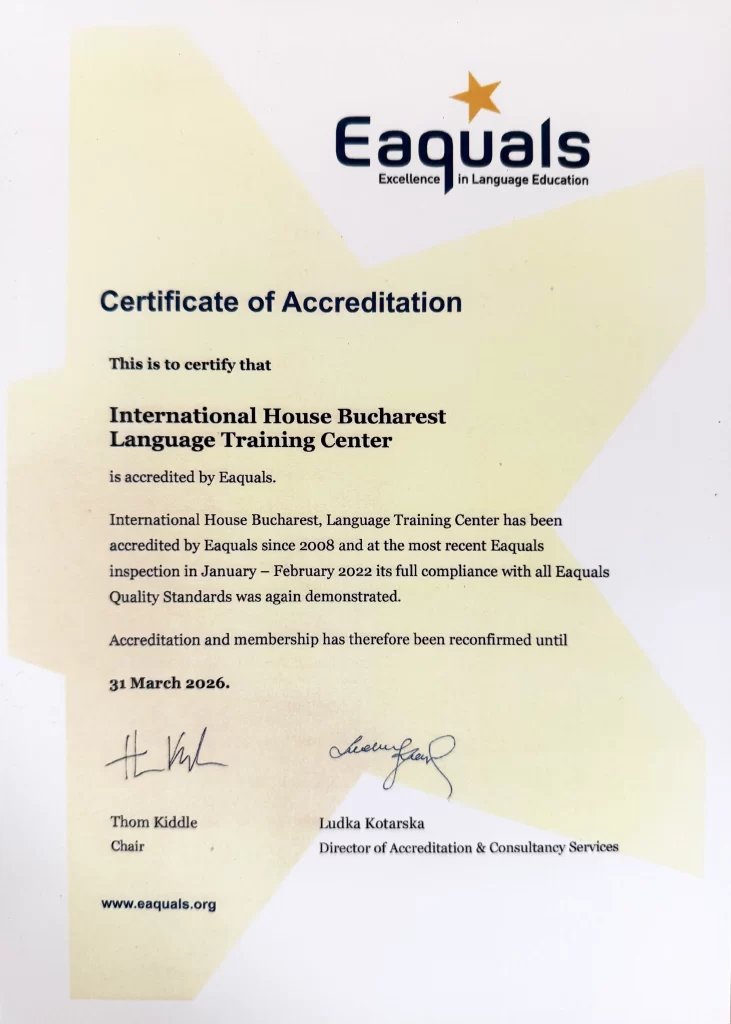
International House Bucharest is accredited by EAQUALS – Excellence in Language Education, part of the global network International House World Organisation and a Cambridge teacher training centre (CELTA & DELTA). We are ISO 9001 and ISO 27001 certified, ensuring quality, security and confidentiality in all our corporate programmes.
Manage consent
To provide the best experience, we use technologies such as cookies to store and/or access device information. Consent to these technologies allows us to process data such as browsing behavior or unique IDs on this site. If you do not give your consent or withdraw your given consent it may have negative effects on certain functionalities and functions.
function
Always active
Technical storage or access is strictly necessary for the legitimate purpose of enabling the use of a specific service explicitly requested by a subscriber or user or for the sole purpose of executing the transmission of a communication over an electronic communications network.
Preferences
Technical storage or access is necessary for the legitimate purpose of storing preferences that are not requested by the subscriber or user.
Statistics
Technical storage or access that is used exclusively for statistical purposes.Technical storage or access that is used exclusively for anonymous statistical purposes. Without a subpoena, voluntary compliance from your Internet Service Provider, or additional records from a third party, information stored or retrieved solely for this purpose cannot typically be used to identify you.
Marketing
Technical storage or access is necessary to create user profiles to which we send advertising or to track the user across one or more websites for similar marketing purposes.